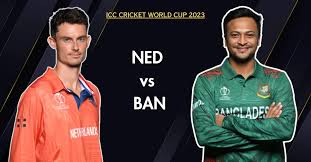
Ever wonder how two cricket teams stack up against each other? Imagine you’re a fan, excited for a big match, but unsure what to expect. You want to know the strengths, weaknesses, and key players for both the Netherlands and Bangladesh. This post breaks down the Netherlands vs Bangladesh matchup, giving you a clear picture of their recent form, head-to-head history, and what makes each team unique. By the end, you’ll feel more informed and ready to enjoy the game.
Key Takeaways
- Netherlands and Bangladesh have a growing rivalry in international cricket.
- Bangladesh generally holds an edge in head-to-head encounters, especially in ODIs.
- Both teams have distinct playing styles shaped by their cricketing cultures.
- Key players from each side can significantly influence match outcomes.
- Recent form and pitch conditions play a vital role in predicting the winner.
- Understanding their historical performance helps anticipate future match dynamics.
Netherlands vs Bangladesh Head-to-Head Record
The history between the Netherlands and Bangladesh in cricket offers a fascinating look at how these two nations have developed their cricketing prowess on the international stage. While Bangladesh has established itself as a more consistent force in world cricket, the Netherlands has consistently proven to be a resilient and often challenging opponent. Their encounters, though not as frequent as those between major cricketing nations, are often marked by spirited performances and unexpected twists.
Looking at their One Day International (ODI) record, Bangladesh has a clear advantage. This is largely due to Bangladesh’s rise as a formidable ODI side over the past two decades, with a solid batting lineup and effective bowling attack. The Netherlands, while an Associate nation, has a history of causing upsets against Full Members, and their matches against Bangladesh are no exception. These games are often a test of Bangladesh’s consistency against the Dutch team’s ability to punch above its weight.
In T20 Internationals, the matches tend to be closer, reflecting the shorter format’s inherent unpredictability. Both teams have shown flashes of brilliance in this format. The Netherlands, in particular, has a reputation for being a dangerous T20 side, capable of powerful hitting and sharp bowling. Bangladesh, too, has developed a strong T20 squad, often featuring explosive batsmen and versatile bowlers. The contrast in their approaches can lead to captivating contests.
A crucial aspect of their head-to-head record is the context of these matches. Often, their encounters occur during major ICC tournaments like the Cricket World Cup or T20 World Cup. These high-stakes environments can amplify the pressure, leading to performances that might differ from bilateral series. The experience of playing on big stages is something Bangladesh has more of, but the Netherlands has shown they can rise to the occasion.
One notable aspect of their meetings is how the Netherlands often relies on their disciplined bowling and strategic fielding to contain Bangladesh’s aggressive batting. Conversely, Bangladesh aims to use its batting depth and power-hitting to overwhelm the Dutch bowlers. The results often hinge on which team executes its game plan more effectively on the day.
The historical data shows that while Bangladesh has won more matches, the Netherlands has secured memorable victories that have etched themselves into cricketing folklore. These upsets highlight the potential for the Dutch side to challenge established teams and underscore the competitive spirit that defines Netherlands vs Bangladesh cricket encounters.
ODI Dominance of Bangladesh
Bangladesh has a significant upper hand in One Day International (ODI) matches against the Netherlands. This advantage stems from Bangladesh’s consistent development as a top-tier cricketing nation, particularly in the 50-over format. Over the years, they have built a strong squad that often outmatches their opponents through experience and depth.
Their batting lineup is known for its ability to score quickly and build substantial totals. Players like Tamim Iqbal, Shakib Al Hasan, and Mushfiqur Rahim have provided stability and firepower, capable of anchoring an innings or accelerating the scoring rate when needed. Their bowling attack, featuring pacers and skilled spinners, is adept at taking wickets and restricting runs.
The Netherlands, while improving, has historically struggled to match Bangladesh’s overall strength and consistency in ODIs. Their victories against Bangladesh in this format have been few but significant, often coming through exceptional team performances and key individual efforts. These wins are crucial for the Dutch team, demonstrating their potential to compete with established international sides.
When the Netherlands faces Bangladesh in ODIs, the expectation is for Bangladesh to be the favorite. However, the unpredictability of cricket means that the Dutch team can never be discounted. Their ability to adapt to different conditions and their fighting spirit often make them a tough opponent, even for a team as capable as Bangladesh. The historical data points to Bangladesh’s strength, but the ongoing evolution of the Dutch side keeps the prospect of an upset alive.
T20 Rivalry and Upsets
The T20 International (T20I) arena presents a more balanced and exciting rivalry between the Netherlands and Bangladesh. In the shortest format of the game, the margins for error are slim, and the impact of individual brilliance or a tactical misstep can be amplified. This dynamic makes T20Is between these two nations particularly thrilling for fans.
Historically, Bangladesh has had more success in T20Is, reflecting their growing presence in the international T20 circuit. They possess a blend of explosive batsmen who can clear the boundary with ease and bowlers who can deliver crucial breakthroughs. Their experienced players often provide a steadying influence in high-pressure situations, a valuable asset in T20 cricket.
However, the Netherlands has emerged as a significant force in T20Is, earning a reputation for their aggressive style of play and their ability to upset more established teams. They often field a team with fearless batters who are not afraid to take risks and bowlers who can be effective with variations and tight lines. Their performances in T20 World Cups, in particular, have shown their capacity to compete with and defeat Full Member nations.
The unpredictability of T20Is means that past results do not always dictate future outcomes. A single brilliant spell of bowling, an exceptional batting innings, or a moment of fielding magic can swing the momentum of a match. This is where the Netherlands often thrives, as their players are encouraged to play with freedom and flair.
When Netherlands and Bangladesh meet in a T20I, fans can anticipate a contest that could go down to the wire. The historical head-to-head record may lean towards Bangladesh, but the Netherlands has the talent and the mindset to challenge that narrative. These matches are a testament to the evolving landscape of international cricket, where Associate nations are increasingly capable of competing at the highest level.
Netherlands Cricket Team Analysis
The Dutch cricket team has been on a steady upward trajectory, particularly in limited-overs formats. Their recent performances have shown a marked improvement, with a greater emphasis on developing a professional structure and nurturing young talent. This focus has led to more competitive showings against Full Member nations, often surprising opponents with their strategic approach and disciplined execution.
One of the cornerstones of the Netherlands’ strength lies in their batting order. They possess a lineup that can score runs quickly, with several players known for their aggressive stroke play and ability to hit sixes. Their top-order batsmen are often tasked with setting a solid foundation, while the middle order provides the impetus to accelerate the scoring and post challenging totals. This balance allows them to adapt to different match situations.
Their bowling attack is characterized by a mix of pace and spin, often featuring skilled swing bowlers and economical spinners. While they might not boast the express pace of some international sides, their bowlers are known for their accuracy, ability to exploit seam movement, and intelligent use of variations. This makes them difficult to score against freely.
The Netherlands’ fielding is another area of strength. They are a very athletic side in the field, known for their sharp ground fielding, quick catches, and accurate throws. This intensity in the field can put extra pressure on opponents, forcing errors and saving crucial runs, which is vital in tight contests.
In recent years, the Dutch team has focused on playing more international cricket, both in bilateral series and major tournaments. This increased exposure has helped their players gain valuable experience against top-tier opposition. They have shown a commendable fighting spirit, often performing above expectations and securing notable victories.
The development of their domestic structure and coaching programs has been instrumental in producing a more consistent and skilled national side. They are increasingly seen as a team that can cause upsets, and their performances are closely watched by cricket enthusiasts worldwide, particularly when they face established cricketing nations like Bangladesh.
Key Players for the Netherlands
The Netherlands national cricket team relies on a core group of talented individuals to drive their performances on the international stage. These players, through their consistent contributions and match-winning abilities, are vital to the team’s success, especially in challenging encounters like those against Bangladesh. Identifying these key figures offers insight into how the Dutch team operates and where its strengths lie.
One such pivotal player is often a strong opening batsman. A good start from the top order is crucial for setting the tone for the rest of the innings. A player capable of anchoring the innings, scoring freely against new ball bowlers, and providing a platform for acceleration is invaluable. Their ability to withstand early pressure and build momentum can dictate the entire match’s trajectory.
In the middle order, the Netherlands often looks to aggressive batsmen who can capitalize on any attacking opportunities. These players are expected to score quickly, rotate the strike effectively, and hit boundaries when the situation demands. Their power-hitting capabilities can significantly increase the team’s total and put the opposition under pressure.
The bowling attack is spearheaded by experienced pacers and astute spinners. A leading fast bowler who can swing the new ball, take early wickets, and bowl effectively at the death is essential. Similarly, a spinner who can control the run rate, pick up wickets in the middle overs, and exploit dry pitches plays a critical role in breaking partnerships and stifling the opposition’s scoring.
Fielding is also an area where specific individuals shine. Athletic fielders who can take difficult catches, save crucial runs with their agility, and possess strong throwing arms are vital. These contributions, often overlooked, can have a significant impact on the outcome of a close match.
The Dutch team’s recent progress is a testament to the impact of these key players who consistently perform at a high level. Their contributions, whether with bat, ball, or in the field, are crucial for the Netherlands to compete effectively against stronger nations.
Netherlands’ Strategic Approach
The Netherlands’ cricket team adopts a strategic approach that often emphasizes disciplined cricket and capitalizing on opportunities. In matches against teams like Bangladesh, this strategy involves a meticulous plan to counter the opposition’s strengths while leveraging their own. It’s about playing smart cricket, not just powerful cricket.
A key element of their strategy is building a strong foundation in the batting innings. This means their top-order batsmen focus on seeing off the new ball, assessing the pitch conditions, and building partnerships. They aim to avoid losing early wickets, which can derail their innings and put them on the back foot against an aggressive bowling attack.
Once a solid base is established, the Netherlands looks to accelerate. Their middle-order batsmen are encouraged to play positively, finding the gaps, running hard between wickets, and looking for boundaries when the opportunity arises. This transition from consolidation to aggression is a critical phase of their batting strategy.
In bowling, the Dutch team often focuses on accuracy and variations. They might not have bowlers with extreme pace, but they rely on their ability to hit consistent lines and lengths, making it difficult for batsmen to score freely. Their bowlers are also trained to use slower balls, yorkers, and other variations effectively, especially at the death.
Fielding is another area where strategy plays a huge role. The Netherlands is known for its athletic and energetic fielding. Their fielders are positioned strategically to cut off singles, prevent boundaries, and create run-out opportunities. They aim to be proactive in the field, putting constant pressure on the batsmen.
When facing a team like Bangladesh, known for its aggressive batting, the Netherlands’ strategy might involve employing more defensive fields early on to stem the flow of runs, then looking to create pressure through tight bowling and sharp fielding. They also focus on targeting key opposition batsmen and breaking partnerships at crucial moments.
This disciplined and adaptable strategy allows the Netherlands to compete effectively, even against teams with more resources and experience. It highlights their growth as a cricketing nation capable of tactical depth.
Bangladesh Cricket Team Analysis
Bangladesh has evolved significantly as a cricketing nation, particularly in the last two decades. They have transitioned from being considered an underdog to a respected Full Member side, capable of challenging and defeating top teams across all formats. Their rise is a testament to consistent investment, player development, and a passionate cricketing culture.
The batting lineup of Bangladesh is often a blend of aggressive stroke-makers and steady accumulators. They have produced several world-class batsmen who can anchor an innings, accelerate the scoring, and play explosive shots. This depth in batting allows them to set high targets or chase down difficult scores, making them a dangerous opponent in any situation.
Their bowling attack is equally formidable, featuring a potent mix of pace bowlers and highly effective spinners. Bangladesh has a strong tradition of producing talented spinners who can turn the ball prodigiously and trouble batsmen on various surfaces. Their pace bowlers are also capable of generating good speed and movement, making them a threat with the new ball and at the death.
The fielding standards of Bangladesh have also improved considerably. While historically a weaker aspect, they have worked hard to become a more athletic and secure fielding unit. This improvement in fielding complements their bowling and batting, contributing to more consistent team performances.
Bangladesh’s journey in international cricket has been marked by memorable victories and increasing competitiveness in major tournaments. They have demonstrated an ability to perform under pressure and adapt to different conditions, establishing themselves as a force to be reckoned with in world cricket. Their performances against the Netherlands often reflect this established strength and experience.
Key Players for Bangladesh
Bangladesh boasts a roster of highly talented and experienced players who are crucial to their success, especially in competitive matchups against teams like the Netherlands. These individuals often carry the weight of expectation and are pivotal in shaping the outcome of matches through their consistent performances.
Shakib Al Hasan stands out as one of the world’s premier all-rounders. His ability to contribute significantly with both bat and ball makes him an invaluable asset. He can stabilize the innings with his batting, bowl economical spells, and take crucial wickets, often being the game-changer for Bangladesh.
In the batting department, experienced batsmen like Tamim Iqbal and Mushfiqur Rahim provide stability and a wealth of experience. Tamim, as an opener, is vital in setting a strong foundation, while Mushfiqur’s ability to play long innings and score prolifically adds immense strength to the middle order. Their composure and skill under pressure are critical.
Liton Das is another key batsman known for his aggressive stroke play and ability to score quickly. He can provide valuable impetus to the innings, whether opening or batting in the middle order. His attacking style can put bowlers on the back foot early on.
The bowling attack relies heavily on the contributions of seasoned campaigners and emerging talents. Mustafizur Rahman, with his variations and deceptive slower balls, is a potent death bowler. Taskin Ahmed and Shoriful Islam provide pace and swing with the new ball. On the spin front, bowlers like Mehidy Hasan Miraz offer control and wicket-taking ability, often being crucial in the middle overs.
These players, through their individual brilliance and collective effort, form the backbone of the Bangladesh cricket team, making them a formidable opponent for any side.
Bangladesh’s Batting Philosophy
Bangladesh’s batting philosophy has evolved significantly over the years, moving from a cautious approach to one that embraces aggressive intent and calculated risk-taking. In modern-day cricket, especially in limited-overs formats, Bangladesh aims to post competitive totals quickly and chase down targets with a determined pace.
A central tenet of their batting is the ability of their top-order batsmen to provide a strong start. Openers are encouraged to play positively, looking to score runs freely against the new ball while also being mindful of playing themselves in. This sets the stage for the explosive middle order.
The middle order is where Bangladesh often unleashes its firepower. Batsmen are given the license to express themselves, taking on bowlers and looking for boundaries. They are adept at rotating the strike, finding gaps, and hitting sixes when the opportunity arises. This aggressive mindset aims to put the opposition under constant pressure and accelerate the scoring rate.
Another key aspect is their adaptability. Bangladesh batsmen understand the importance of assessing the pitch conditions and the match situation. They can adjust their approach accordingly, whether it’s building an innings cautiously when wickets are falling or going on the offensive when the situation demands it.
This philosophy is supported by the increasing depth in their batting lineup, with reliable batsmen coming in lower down the order who can also contribute significantly. They have also developed a strong mentality for chasing targets, showing composure and strategic planning to reach their goals.
The continuous development of their players, coupled with exposure to various bowling attacks, has refined this batting philosophy, making Bangladesh a challenging team to bowl against and a formidable opponent in run chases.
Netherlands vs Bangladesh Match Scenarios
When the Netherlands and Bangladesh face each other on the cricket field, several common match scenarios tend to play out, influenced by their respective strengths and historical performances. Understanding these scenarios can help predict the flow of a game and the potential impact of key moments.
One frequent scenario involves Bangladesh batting first and setting a substantial target. Their strong batting lineup is capable of accumulating large scores, especially if their key batsmen get going. In such a situation, the Netherlands would need to respond with an exceptional batting performance, perhaps led by their own aggressive openers and middle-order hitters. The Dutch bowlers would be tasked with containing Bangladesh’s powerful lineup, aiming to take wickets at regular intervals to prevent them from reaching an unassailable score.
Conversely, a scenario where the Netherlands bats first could see them aiming to post a challenging total. Their strategy here would likely involve a solid start from their openers, followed by a strong push in the middle overs by their aggressive batsmen. They would aim to exploit any weaknesses in Bangladesh’s bowling attack and set a target that puts pressure on the opposition. This scenario often relies on the Netherlands’ ability to maximize their batting resources.
Another common dynamic is a close contest where both teams trade blows. This is particularly likely in T20 matches or when the Netherlands is performing exceptionally well. In such a scenario, the match could swing on crucial moments: a brilliant spell of bowling, a game-changing catch, or a vital partnership. Both teams would need to display nerves of steel and execute their plans under pressure.
A scenario where Bangladesh chases a target set by the Netherlands can also be tense. Bangladesh’s batting depth and experience in chasing targets mean they are never out of the game. The Dutch bowlers would need to be disciplined, maintain pressure, and look for breakthroughs to defend their score. Any lapses in concentration or bowling execution could allow Bangladesh to seize control.
Finally, an upset scenario, where the Netherlands delivers a strong performance and defeats Bangladesh, is always a possibility. This typically happens when the Dutch team executes its game plan flawlessly, their key players deliver match-winning performances, and they manage to disrupt Bangladesh’s rhythm. These matches highlight the unpredictable nature of cricket and the Netherlands’ growing capability.
Scenario 1 Bangladesh Bats First
When Bangladesh opts to bat first against the Netherlands, the game often follows a pattern where Bangladesh aims to build a significant total. This strategy capitalizes on their batting depth and the potential for explosive scoring from their middle order. The initial overs are crucial for Bangladesh’s openers to lay a solid foundation, often seeing them focus on steady accumulation and respecting good deliveries.
As the innings progresses, Bangladesh typically accelerates. Batsmen like Shakib Al Hasan and Liton Das are expected to score freely, finding boundaries and rotating the strike effectively. Their aim is to set a target that puts the Netherlands under considerable pressure, often looking to reach scores of 280-300 or more in ODIs, and potentially 170-190 in T20Is.
The Netherlands’ bowling attack then faces the challenge of restricting Bangladesh. They would likely employ a strategy of disciplined line and length, trying to limit scoring opportunities and force batsmen into making mistakes. Taking early wickets is paramount to breaking Bangladesh’s momentum and preventing them from reaching their desired total. Bowlers might focus on variations and clever changes of pace to deceive the batsmen.
Fielding plays a critical role here. The Netherlands would need to be sharp and athletic in the field, saving boundaries and executing run-outs to disrupt Bangladesh’s rhythm. Any dropped catches or missed opportunities could prove costly, allowing Bangladesh to capitalize and post a higher score.
If Bangladesh successfully posts a large total, the onus shifts to the Netherlands’ batting lineup to perform an exceptional chase. This scenario underscores the importance of Bangladesh’s batting depth and their ability to consistently perform under the pressure of setting a target.
Scenario 2 Netherlands Bats First
When the Netherlands takes the field first against Bangladesh, their primary objective is to set a competitive total that their bowlers can defend. This often involves a strategic approach focused on building a strong foundation and then accelerating in the latter stages of the innings. The Dutch openers play a crucial role in this scenario, aiming to weather the early pace and swing from Bangladesh’s bowlers.
A successful innings for the Netherlands usually involves one or two key batsmen playing substantial innings. This could be an opener seeing out the tough initial overs and scoring a half-century, or a middle-order batsman playing an aggressive knock to boost the run rate. The Netherlands often looks to maximize their scoring in the middle overs, finding boundaries and keeping the scoreboard ticking.
The Netherlands’ batting strategy might also involve targeting specific bowlers or phases of the innings where they feel they have an advantage. They would aim to score heavily during powerplays and use their power-hitters in the death overs to post a challenging score. Their focus is on achieving a total that, while potentially not as large as Bangladesh might score, is defendable with disciplined bowling and sharp fielding.
Bangladesh’s bowling attack, known for its potency, would aim to restrict the Netherlands and take wickets at regular intervals. They might use their spinners to stifle the scoring in the middle overs and their pacers to create early pressure and finish strongly. The Dutch batsmen would need to be resilient and adaptable to counter Bangladesh’s varied bowling attack.
This scenario highlights the Netherlands’ ability to perform under pressure and showcase their batting prowess. A strong total set by the Netherlands can put Bangladesh in an unfamiliar position, forcing them to chase under scrutiny. It’s a testament to the Dutch team’s developing confidence and strategic approach to batting.
Common Myths Debunked
Myth 1 Bangladesh Will Always Win Against The Netherlands
The notion that Bangladesh will always secure victory against the Netherlands is a common misconception. While Bangladesh has a superior head-to-head record, especially in ODIs, cricket is inherently unpredictable. Associate nations like the Netherlands have shown a remarkable ability to cause upsets against Full Member sides. Factors like player form, pitch conditions, and tactical execution on the day can significantly influence the outcome. The Netherlands has achieved notable victories against stronger opponents, proving that they can compete and win against any team on their day.
Myth 2 Netherlands Is Only A Weak Opposition
This idea that the Netherlands is merely a weak opposition is outdated. The Dutch cricket team has undergone significant development in recent years. They have invested heavily in their player development programs and have achieved considerable success in various international tournaments. Their performances have improved markedly, and they are now considered a formidable opponent capable of challenging well-established cricketing nations. Their T20I record, in particular, shows their ability to compete and win against top-tier teams.
Myth 3 Bangladesh’s Spinners Are Unbeatable
While Bangladesh possesses excellent spinners, the idea that they are unbeatable is a myth. Modern batsmen are adept at playing spin bowling, employing strategies like sweeping, reverse sweeping, and attacking the bowlers down the ground. Furthermore, pitch conditions can sometimes favor pace over spin, or the spinners themselves might be having an off day. The Netherlands, with its improving batting lineup, is capable of finding ways to score against Bangladesh’s spinners, especially if they can target certain bowlers or exploit favorable match-ups.
Myth 4 T20 Cricket Is Pure Luck
It is often said that T20 cricket is all about luck, but this oversimplifies the strategic and skill-based nature of the format. While luck can play a role in a game with small margins, consistent success in T20 cricket requires strong planning, execution, and adaptability. Teams that perform well in T20s usually have explosive batsmen, effective death bowlers, sharp fielders, and astute captains who make crucial tactical decisions. The Netherlands and Bangladesh both demonstrate strategic depth in their T20 approaches, indicating that skill and planning are paramount.
Frequently Asked Questions
Question: What is the general head-to-head record between Netherlands and Bangladesh
Answer: Bangladesh generally holds a superior head-to-head record against the Netherlands, particularly in One Day Internationals. However, T20 matches tend to be more competitive.
Question: Has the Netherlands ever beaten Bangladesh in a major tournament
Answer: Yes, the Netherlands has achieved notable victories against Bangladesh, including in ICC tournaments, proving their capability to compete and win against established teams.
Question: Which format of cricket sees the closest contests between these two teams
Answer: T20 International matches often provide the closest contests due to the format’s inherent unpredictability and the Netherlands’ strong performance in this format.
Question: What are the main strengths of the Bangladesh cricket team
Answer: Bangladesh’s main strengths lie in their experienced batting lineup, potent spin bowling attack, and improving fielding standards.
Question: How has the Netherlands cricket team evolved recently
Answer: The Netherlands team has significantly improved its performance through better player development, increased international exposure, and a more professional approach to the game.
Final Thoughts
The cricket matches between the Netherlands and Bangladesh showcase a compelling dynamic. Bangladesh, with its established reputation and experienced players, often enters as the favorite. However, the Netherlands has consistently demonstrated its ability to challenge stronger opponents with disciplined cricket and spirited performances. Understanding their head-to-head history, team strengths, and potential match scenarios reveals a rivalry that offers excitement and unpredictability, making every encounter worth watching.