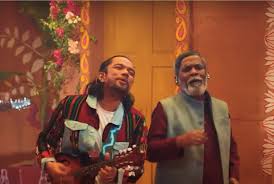
Have you ever found yourself humming a tune and wondered about its origin? Perhaps you heard a melody that stirred something deep within, making you curious about the culture behind it. For many, the vibrant sounds of bangladesh song offer just such an experience. This post will guide you through the rich tapestry of Bangladeshi music, its history, its diverse genres, and what makes it so special. You’ll discover how to appreciate its nuances and find new favorites, spending more time enjoying this musical art form.
Key Takeaways
- Bangladesh song encompasses a wide variety of traditional and modern musical styles.
- Folk music forms a significant and cherished part of Bangladesh’s musical heritage.
- The influence of poetry and literature is deeply woven into the lyrics of many songs.
- Modern Bangladeshi music blends traditional elements with global influences.
- Music plays a vital role in cultural celebrations and everyday life in Bangladesh.
The Roots of Bangladesh Song
The musical landscape of Bangladesh is deeply rooted in a rich history that stretches back centuries. Early forms of music were often tied to religious practices, storytelling, and agrarian life. These foundational elements shaped the melodies, rhythms, and lyrical themes that continue to resonate today. The geographic location of Bangladesh, a crossroads of cultures, also played a significant role in its musical evolution, absorbing influences from neighboring regions and beyond.
Traditional Folk Music Genres
Folk music is the heart of Bangladesh’s musical traditions. These songs often tell stories of love, nature, work, and social commentary, passed down through generations. Each region within Bangladesh has its unique folk traditions, contributing to the overall diversity.
-
Baul Music
Baul music is perhaps the most internationally recognized form of Bangladeshi folk music. Baul mystics, a syncretic spiritual tradition in Bengal, use songs to express their unique philosophy and spiritual journeys. Their music is often characterized by simple melodies, repetitive refrains, and profound, often metaphorical, lyrics. The instruments used are typically humble, such as the ektara (a single-stringed instrument), dotara (a two-stringed lute), and dhol (a drum). The themes often revolve around the search for the divine within oneself and the universe, transcending religious dogma. Many renowned Baul singers, like Lalon Shah, have left an indelible mark on Bengali culture. -
Bhatiali Songs
These are boatmen’s songs, originating from the riverine culture of Bangladesh. Bhatiali melodies are often melancholic and flowing, reflecting the vastness of the rivers and the journeys of the boatmen. The lyrics speak of the river, the sky, the longing for home, and the hardships of their profession. The music is typically sung solo, with a natural, untrained voice that carries across the water. The rhythm often mimics the gentle movement of boats on the water. These songs capture the essence of rural life and the deep connection between the people and their environment. -
Bhawaiya Songs
Originating from the northern regions of Bengal, particularly around Rangpur, Bhawaiya is known for its distinct, often repetitive, melodic structure and its themes of rural life, love, and nature. The songs are often sung by women, expressing their emotions and daily experiences. The music can evoke a sense of longing or joy, depending on the lyrical content. Instruments like the dotara and dhol are commonly used. The vocal style is distinctive, often characterized by a prolonged note at the end of phrases. Bhawaiya songs paint vivid pictures of the landscapes and social fabric of its region.
The Influence of Bengali Poetry
A significant aspect of Bangladesh song is its deep connection to Bengali literature and poetry. Many iconic songs are set to the words of renowned poets, giving them profound depth and resonance. This fusion of music and poetry has created a rich legacy of lyrical masterpieces.
-
Rabindra Sangeet
Rabindra Sangeet, the songs written and composed by Nobel laureate Rabindranath Tagore, are a cornerstone of Bengali culture. Tagore, a polymath, penned thousands of songs that explore a vast range of human emotions, philosophical ideas, and observations of nature. His music is characterized by its lyrical beauty, melodic sophistication, and intellectual depth. Each song is a complete artistic expression, blending poetry, melody, and philosophical thought. The themes in Rabindra Sangeet range from patriotic fervor and spiritual devotion to romantic love and the simple beauty of the natural world. These songs are sung and cherished across Bangladesh and West Bengal, India. -
Nazrul Geeti
Nazrul Geeti refers to the songs written and composed by Kazi Nazrul Islam, the national poet of Bangladesh. Nazrul’s songs are known for their powerful lyrics, often reflecting themes of revolution, love, spirituality, and social justice. His music is characterized by its dynamism, emotional intensity, and often incorporates diverse musical influences. He championed the cause of the oppressed and his songs often served as anthems for social change. His lyrical prowess and musical genius made him a towering figure in Bengali literature and music, creating a legacy that continues to inspire.
Modern Trends in Bangladesh Song
While traditional music holds a special place, contemporary Bangladeshi music has evolved significantly. Artists are blending older forms with modern genres, creating a vibrant and dynamic music scene. This fusion often results in innovative sounds that appeal to younger generations while honoring their heritage.
Pop and Rock Music
The rise of pop and rock music in Bangladesh has been fueled by a new generation of artists. These musicians often draw inspiration from global trends while infusing their music with local flavors and lyrical themes. The electric guitar, drums, and synthesizers have become common alongside traditional instruments.
-
Emergence of Bands
The 1990s saw the flourishing of rock bands in Bangladesh, which revolutionized the popular music scene. Bands like Miles, LRB, and Nagar Baul (James) became household names, introducing a rock sound that resonated with youth. Their music often tackled social issues, love, and personal struggles, delivered with raw energy and catchy melodies. This era marked a significant shift, moving away from solely traditional or film music towards a more independent and youth-oriented sound. The success of these bands paved the way for numerous others to emerge. -
Fusion and Experimentation
Contemporary artists are increasingly experimenting with fusion, blending traditional folk instruments and melodies with modern pop, rock, and electronic music. This creates a unique soundscape that is distinctly Bangladeshi yet globally accessible. For instance, artists might combine the ethereal sounds of the ektara with synthesized beats or weave folk narratives into modern lyrical structures. This experimentation keeps the music fresh and relevant, attracting a wider audience and showcasing the adaptability of Bangladeshi musical traditions.
Film Music and Television Dramas
Music has always played a crucial role in Bangladeshi cinema and television dramas. The soundtracks often feature a mix of traditional, folk, and modern popular music, contributing significantly to the narrative and emotional impact of the productions.
-
Impact on Popular Music
Film songs have historically been a major vehicle for popularizing music in Bangladesh. Many hit songs that became national anthems originated from movies. The integration of music into storytelling means that film songs often have strong lyrical narratives and emotionally resonant melodies. Composers and singers strive to create music that complements the on-screen action, making these songs memorable and widely disseminated. This symbiotic relationship continues to be a driving force in the music industry. -
Playback Singers
Playback singers are central to the creation of film music. They lend their voices to actors on screen, performing a wide range of musical styles. Their versatility allows them to convey different emotions and character arcs through their singing. Many legendary singers have made their mark through their contributions to film, and their songs remain popular for decades. The skills required for playback singing include not just vocal talent but also the ability to interpret lyrics and convey emotion effectively.
Key Elements of Bangladesh Song
Understanding the core components of Bangladesh song helps in appreciating its depth and beauty. From the lyrical content to the instrumentation, each element contributes to its unique character.
Lyrical Themes and Storytelling
The lyrics in Bangladesh song are often deeply poetic and narrative-driven. They draw from a rich heritage of Bengali literature, reflecting on human experiences, social issues, and the beauty of the natural world.
-
Themes of Love and Devotion
Love, in its many forms – romantic, divine, and familial – is a recurring theme. Songs often express the longing for a beloved, the joy of companionship, or the pain of separation. Devotional songs, particularly within religious traditions like Baul, explore the love for the divine, seeking spiritual union. These lyrical expressions often use metaphors drawn from nature and everyday life, making them relatable and emotionally impactful. The depth of emotion conveyed is a hallmark of this music. -
Social Commentary and Patriotism
Many songs serve as a voice for social change, addressing issues of poverty, injustice, and inequality. Patriotic songs often stir national pride and a sense of collective identity, especially significant given Bangladesh’s history. These anthems have played a crucial role in mobilizing people and fostering a sense of unity. The lyrical content often reflects the struggles and triumphs of the nation, providing a soundtrack to its historical narrative.
Instrumentation and Musical Styles
The instruments used and the styles of music vary widely, reflecting the diverse regional traditions. Traditional instruments are often blended with modern ones to create unique sounds.
-
Traditional Instruments
Key traditional instruments include the ektara (a single-stringed plucked instrument), dotara (a two-stringed lute), tabla and dhol (drums), harmonium, flute (banshi), and mandolin. These instruments provide the characteristic soundscapes for folk and classical music. The ektara, with its droning sound, is iconic in Baul music. The tabla and dhol provide rhythmic foundations for various genres. The harmonium offers melodic accompaniment, often used in devotional and folk songs. The banshi’s pure tone evokes pastoral scenes. -
Rhythmic Patterns
The rhythmic patterns in Bangladesh song are diverse, ranging from simple, repetitive beats in folk music to more complex and intricate rhythms in classical and fusion genres. The dhol, a double-headed drum, is a staple for creating energetic and driving rhythms in folk and festive music. The tabla offers a wider range of percussive possibilities, used in classical and semi-classical styles. These rhythmic foundations are essential for the overall feel and energy of the songs, often dictating the mood and tempo.
Discovering Bangladesh Song Today
Finding and enjoying Bangladesh song in the modern era is more accessible than ever. With digital platforms and a growing global appreciation, exploring this rich musical tradition is a rewarding experience.
-
Online Platforms and Streaming Services
Major streaming services and online music platforms host a vast collection of Bangladeshi music, from classic folk to contemporary hits. YouTube, Spotify, Apple Music, and others allow easy access to artists and genres. Searching for specific artists, song titles, or general terms like “Bangladesh folk song” can lead to incredible discoveries. Many channels also feature performances and documentaries that offer deeper insights into the music and its cultural context. -
Live Performances and Festivals
Attending live performances or music festivals is a fantastic way to experience the energy and passion of Bangladesh song firsthand. Many cities worldwide host cultural events that feature Bangladeshi artists. These events provide an immersive experience, allowing audiences to connect with the music and performers on a deeper level. Seeing musicians perform traditional instruments with skill and emotion can be a truly captivating experience.
Sample Scenario
Imagine you are at a community gathering. Someone starts playing a dotara and singing a soulful Bhatiali song about the mighty Padma River. The melody is haunting, and the lyrics speak of the boatman’s journey, his hopes, and his fears. You don’t understand every word, but the emotion in the singer’s voice, the gentle strumming of the dotara, and the rhythmic sway of the dhol instantly transport you to the banks of the river. This shared experience of music connects everyone present, creating a sense of community and shared heritage.
Common Myths Debunked
Myth 1: All Bangladesh song is slow and melancholic.
This is a common misconception. While there are many beautiful, slow, and melancholic songs, Bangladesh also has vibrant, upbeat music. Think of the energetic rhythms of folk dances or modern pop and rock songs that are perfect for celebration.
The diversity of genres means there’s a wide range of tempos and moods to explore.
Myth 2: Bangladesh song is only for older generations.
While younger generations may listen to global music, there is a strong and growing interest in traditional and contemporary Bangladeshi music among them. Artists are fusing old and new styles, making the music relevant and exciting for all ages. Many young people are actively engaged in preserving and evolving these musical traditions.
Myth 3: You need to understand Bengali to enjoy the music.
While understanding the lyrics enhances appreciation, the emotional power of music transcends language barriers. The melodies, rhythms, and the singer’s delivery convey a lot of feeling. Furthermore, many modern songs and folk performances are accompanied by visuals or translations that can help bridge the language gap.
Myth 4: All traditional Bangladesh song uses the same instruments.
This is not true. Different folk traditions and regions utilize distinct sets of instruments. For example, Baul music prominently features the ektara, while Bhawaiya might use a dotara and dhol.
Classical music styles incorporate instruments like the sitar and sarod, showing a rich variety in instrumentation across genres.
Frequently Asked Questions
Question: What is the most famous type of traditional Bangladesh song
Answer: Baul music is arguably the most famous and internationally recognized traditional form of Bangladesh song, known for its mystic themes and unique musical style.
Question: Who is considered the national poet of Bangladesh and his musical contribution
Answer: Kazi Nazrul Islam is the national poet of Bangladesh. His musical compositions are known as Nazrul Geeti and are characterized by their revolutionary themes and emotional intensity.
Question: Are there modern Bangladeshi music genres that blend with traditional sounds
Answer: Yes, contemporary artists frequently blend traditional folk elements with modern pop, rock, and electronic music, creating innovative fusion genres.
Question: What role does poetry play in Bangladesh song
Answer: Poetry is fundamental. Many songs are set to the works of renowned poets like Rabindranath Tagore and Kazi Nazrul Islam, giving them profound lyrical depth.
Question: Where can I find Bangladesh song online
Answer: You can find Bangladesh song on major streaming services like YouTube, Spotify, and Apple Music, as well as dedicated cultural music platforms.
Conclusion
Exploring Bangladesh song reveals a world of deep emotion, rich history, and vibrant culture. From the soulful melodies of folk traditions to the dynamic beats of modern music, this art form offers something for everyone. You have learned about its diverse genres, influential poets, and the instruments that give it its unique sound. Continue to listen, discover, and enjoy the beautiful world of Bangladesh song.