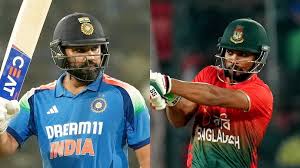
Have you ever wondered about the differences and similarities between neighboring countries? It’s like comparing two vibrant cities in the same region, each with its unique charm and character. Many people are curious about how nations stack up, especially when they share borders and histories.
This post will explore the key aspects of Bangladesh vs India, offering insights that help you grasp their distinct identities and shared connections. You will learn about their economies, cultures, and everyday life, providing a clear picture without overwhelming detail.
Key Takeaways
- Understanding the economic disparities and growth trajectories of Bangladesh and India.
- Exploring the rich tapestry of cultural influences and traditions in both nations.
- Examining the demographic profiles and population dynamics shaping daily life.
- Comparing the infrastructure development and technological advancements.
- Gaining insight into the foreign relations and geopolitical standing.
Geographical and Demographic Overviews
The relationship between Bangladesh and India is deeply intertwined due to their shared geography and historical ties. India is the larger of the two nations, both in landmass and population. Bangladesh, nestled in the Ganges Delta, is one of the most densely populated countries in the world.
Landmass and Borders
India boasts a vast and diverse landscape, stretching from the Himalayas in the north to tropical beaches in the south. Its land area covers approximately 3.287 million square kilometers. This immense size contributes to a wide range of climates and ecosystems.
Bangladesh, in contrast, is much smaller, with an area of about 147,570 square kilometers. It shares a long border with India on its west, north, and east. The remaining borders are with Myanmar and the Bay of Bengal.
Population Dynamics
India is the world’s most populous country, with over 1.4 billion people. Its population is incredibly diverse, with many ethnicities, languages, and religions coexisting. This sheer scale impacts everything from its economy to its social structures.
Bangladesh also has a very high population density, with over 169 million people. The population is more homogeneous, with Bengali being the dominant language and Islam the primary religion. This density presents unique challenges and opportunities for development.
Key Demographic Figures
| Feature | India | Bangladesh |
|---|---|---|
| Population (approx.) | 1.4+ billion | 169+ million |
| Area (sq km) | 3,287,000 | 147,570 |
| Population Density (per sq km) | 430 | 1140 |
Life Expectancy and Health
Life expectancy in India has steadily increased over the years, currently standing around 70 years. Access to healthcare varies significantly between urban and rural areas. The country faces challenges with both communicable and non-communicable diseases.
Bangladesh has also seen improvements in life expectancy, reaching around 72 years. Efforts in public health, especially in maternal and child care, have yielded positive results. However, challenges like access to specialized medical facilities persist.
Economic Landscape
The economies of Bangladesh and India present a study in contrasts and commonalities. Both are developing nations striving for sustained growth, but they operate at different scales and face distinct economic hurdles.
Economic Scale and Growth
India has one of the world’s largest economies, ranking among the top five globally by nominal GDP. Its economy is diverse, with significant contributions from services, industry, and agriculture. India aims for consistent high growth rates to lift its vast population out of poverty.
Bangladesh has achieved remarkable economic progress, particularly in recent decades. It has transformed from an agrarian society into a rapidly growing manufacturing hub, especially in the garment sector. Its growth rate has often been impressive, though from a smaller base than India.
The World Bank reported that India’s GDP was approximately $3.7 trillion in 2023, while Bangladesh’s was around $450 billion. This difference in scale is substantial, reflecting the vast disparities in population and economic output.
Key Industries
India’s economy is driven by a strong IT sector, pharmaceuticals, automotive manufacturing, and a large agricultural base. The service sector, in particular, is a major engine of growth and employment.
Bangladesh’s economic success is largely attributed to its booming garment industry. It is one of the world’s largest exporters of ready-made garments. Other growing sectors include remittances from overseas workers and agriculture.
Poverty and Development
Both countries continue to grapple with poverty, though significant strides have been made. India has a large segment of its population living below the poverty line, and reducing this is a major policy focus. Income inequality is also a significant concern.
Bangladesh has seen a substantial reduction in poverty rates. Its focus on microfinance and empowering rural populations has played a role. However, vulnerability to natural disasters and climate change poses ongoing development challenges.
Trade Relations
India and Bangladesh share robust trade relations. India is a significant trading partner for Bangladesh, supplying various goods and raw materials. Bangladesh exports goods like textiles, jute products, and pharmaceuticals to India.
Bilateral trade has been growing, but there is potential for further expansion. Issues such as trade imbalances and border infrastructure sometimes affect the flow of goods.
Cultural Comparisons
The cultural landscapes of Bangladesh and India are rich, diverse, and deeply interconnected, yet possess distinct identities shaped by history, language, and religion.
Languages and Literature
India is a land of immense linguistic diversity, with over 22 official languages recognized in its constitution. Hindi and English are widely used for official purposes. Its literary traditions are ancient and varied, encompassing epics, poetry, and modern prose.
Bengali is the official language of Bangladesh, and it boasts a proud literary heritage. Rabindranath Tagore, a Nobel laureate, is revered in both Bangladesh and India for his contributions to Bengali literature.
Religion and Festivals
India is a secular nation with a multitude of religions, including Hinduism, Islam, Sikhism, Buddhism, Jainism, and Christianity. This religious diversity is reflected in its numerous festivals, such as Diwali, Eid, Holi, and Christmas, each celebrated with unique customs.
Bangladesh is predominantly a Muslim-majority country. Islam plays a significant role in its cultural fabric. Major religious festivals include Eid al-Fitr and Eid al-Adha.
Hindu festivals like Durga Puja are also celebrated by the minority Hindu population.
Arts and Entertainment
Both nations have vibrant artistic traditions. Indian cinema, particularly Bollywood, has a global reach. Music, dance, and visual arts flourish across various regions.
Bangladesh also has a thriving film industry and a strong tradition of folk music and dance. The appreciation for arts and culture is a shared trait, even as specific forms and expressions differ.
Food and Cuisine
Indian cuisine is renowned worldwide for its diverse flavors and spices, varying greatly by region. From rich curries to diverse vegetarian dishes, the culinary landscape is vast.
Bengali cuisine, shared by both Bangladesh and parts of India, is known for its emphasis on fish, rice, and lentil dishes. Mustard oil is a common cooking medium, and sweets play a significant role in meals.
Social Structures
Traditional social structures, including family values and community ties, remain important in both countries. However, modernization and urbanization are leading to changes in these structures.
The concept of joint families is still prevalent, though nuclear families are becoming more common in urban settings. Respect for elders is a deeply ingrained value.
Infrastructure and Development
The development of infrastructure and technology is a critical area for both Bangladesh and India as they aim for economic progress and improved living standards.
Transportation Networks
India possesses an extensive and diverse transportation network, including one of the world’s largest railway systems. It also has a growing network of highways and a significant number of airports, facilitating travel and trade across its vast expanse.
Bangladesh is actively expanding its transportation infrastructure. This includes developing its road and railway networks, and investing in port facilities to support its export-oriented economy. Riverine transport is also crucial due to the country’s geography.
Energy and Utilities
India faces significant energy demands due to its large population and industrial growth. It is investing in both renewable energy sources and traditional power generation to meet these needs. Access to electricity is expanding, but challenges remain in remote areas.
Bangladesh has made considerable progress in increasing electricity access. The country is focusing on diversifying its energy mix, including natural gas and renewable energy projects. Ensuring reliable utility services for its dense population is a priority.
Information Technology and Digitalization
India is a global IT powerhouse, with a booming software industry and a rapidly expanding digital economy. The government’s initiatives in digital India aim to increase internet penetration and digital literacy.
Bangladesh is also embracing digitalization, with a growing IT sector and increasing internet access. Mobile banking and e-governance services are becoming more common, transforming how citizens interact with services.
Urbanization Trends
Both countries are experiencing rapid urbanization, with large numbers of people moving from rural to urban areas in search of economic opportunities. This trend puts pressure on urban infrastructure and services.
Major cities in both India and Bangladesh are growing at an unprecedented rate. Managing this growth requires significant investment in housing, sanitation, transportation, and employment.
Foreign Relations and Geopolitics
The foreign relations of Bangladesh and India are complex and multifaceted, influenced by shared history, economic ties, and regional dynamics.
Bilateral Relations
India and Bangladesh share a generally friendly and cooperative relationship, often referred to as “historically close.” They collaborate on various issues, including trade, security, and cultural exchange.
Key areas of cooperation include water sharing agreements, defense partnerships, and efforts to combat cross-border crime. Despite occasional differences, the overall tone of the relationship is positive.
Regional Influence
India plays a significant role in South Asian geopolitics, often acting as a major regional power. Its foreign policy influences the dynamics of neighboring countries.
Bangladesh, while smaller, is an important player in regional forums like SAARC (South Asian Association for Regional Cooperation). It seeks to maintain balanced relations with its larger neighbors.
Global Partnerships
India has diversified its global partnerships, engaging with major world powers and participating in international organizations like the G20. Its foreign policy is increasingly assertive.
Bangladesh also engages in global diplomacy, focusing on issues like climate change, sustainable development, and contributing to UN peacekeeping operations. It seeks to attract foreign investment and promote its economic interests internationally.
Common Myths Debunked
Myth 1: India and Bangladesh have identical cultures.
While India and Bangladesh share historical and cultural roots, especially in the Bengal region, they are not identical. Bangladesh’s dominant religion is Islam, influencing its cultural practices and festivals, whereas India is religiously diverse with Hinduism being the majority religion. Language, while both have Bengali speakers, also differs in national identity and official use.
Myth 2: India’s economy completely overshadows Bangladesh’s.
Although India’s economy is significantly larger in absolute terms, Bangladesh has demonstrated impressive and consistent economic growth, particularly in its garment sector. It has made significant strides in poverty reduction and human development indicators, often outperforming on certain metrics relative to its size.
Myth 3: There is significant political conflict between the two nations.
Generally, India and Bangladesh maintain friendly bilateral relations. While specific issues like water sharing or border disputes can arise, they are typically managed through diplomatic channels. The overall relationship is characterized by cooperation and mutual respect.
Myth 4: Bangladesh is solely reliant on India for trade.
While India is a key trading partner for Bangladesh, Bangladesh also has diversified trade relations with numerous countries worldwide, particularly in the garment export sector. It actively seeks to expand its trade footprint globally.
Frequently Asked Questions
Question: What is the primary language spoken in Bangladesh?
Answer: The primary language spoken in Bangladesh is Bengali. It is also an official language in parts of India, notably West Bengal.
Question: Which country has a larger population?
Answer: India has a much larger population than Bangladesh. It is currently the most populous country in the world.
Question: What is a major export industry for Bangladesh?
Answer: The garment industry is a major export industry for Bangladesh, making it one of the world’s leading apparel manufacturers.
Question: Are there shared cultural elements between India and Bangladesh?
Answer: Yes, there are many shared cultural elements, especially in cuisine, music, and literature, stemming from their historical and geographical proximity, particularly in the Bengal region.
Question: How do the economies of India and Bangladesh compare?
Answer: India’s economy is vastly larger and more diversified, encompassing IT, manufacturing, and services. Bangladesh has shown rapid growth, largely driven by its garment exports and remittances.
Conclusion
Comparing Bangladesh vs India reveals two distinct nations with unique strengths. India’s vastness supports a diverse economy and culture. Bangladesh’s focused growth has made it a resilient economic force.
Both nations contribute significantly to the region’s tapestry of life and progress.