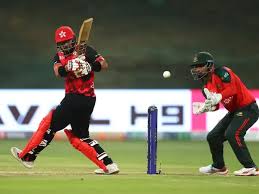
Have you ever wondered how two distinct places like Hong Kong and Bangladesh stack up against each other? Perhaps you’re planning a trip, a business venture, or simply curious about global economies. Understanding the core differences is key to making informed decisions. This post will break down the essential aspects of Hong Kong vs Bangladesh, providing clear insights so you can grasp their unique characteristics without getting lost in jargon. You’ll learn about their economies, cultures, and everyday life.
Key Takeaways
- Hong Kong is a global financial hub with a highly developed economy.
- Bangladesh is a rapidly developing nation with a strong focus on textiles and agriculture.
- There are significant differences in population density and urbanization.
- Cultural norms and daily life present distinct experiences in each location.
- Both offer unique opportunities and challenges for visitors and investors.
Comparing Economic Landscapes Hong Kong Vs Bangladesh
The economic structures of Hong Kong and Bangladesh present a study in contrasts, reflecting their different developmental paths and global roles. Hong Kong stands as a beacon of free-market capitalism and a leading international financial center. Its economy thrives on services, particularly in finance, trade, and logistics. The territory’s strategic location and business-friendly policies have attracted massive foreign investment, leading to high per capita income and a sophisticated urban environment.
Bangladesh, on the other hand, is a nation on the rise, building its economy from a different foundation. While historically reliant on agriculture, Bangladesh has made remarkable strides in industrialization, especially in the garment manufacturing sector. This sector has become a cornerstone of its export economy, providing employment to millions. The country is also seeing growth in other areas, including pharmaceuticals and IT services.
Key Economic Indicators
When we look at economic indicators, the divergence becomes even more apparent. Hong Kong consistently ranks high in global ease of doing business reports. Its gross domestic product (GDP) per capita is significantly higher than Bangladesh’s, reflecting its advanced economic development.
Bangladesh’s GDP has been growing at a rapid pace, often exceeding global averages in recent years. This growth is driven by its burgeoning manufacturing sector and a large, young workforce. However, its GDP per capita remains much lower, indicating a developing economy still working to improve living standards across its vast population.
Consider this statistic: In recent years, Hong Kong’s GDP per capita has been over 60 times higher than Bangladesh’s. This stark difference highlights the vast disparity in economic output and wealth distribution between the two.
Trade and Investment Flows
Hong Kong’s trade is characterized by its role as a gateway to mainland China and its global connectivity. It imports raw materials and re-exports finished goods, acting as a vital intermediary in international trade. Foreign direct investment (FDI) pours into Hong Kong for its robust financial services and stable regulatory environment.
Bangladesh’s trade is heavily dominated by garment exports. The country imports machinery and raw materials for its factories and exports finished clothing to markets worldwide. While FDI has increased, it is often directed towards manufacturing and infrastructure projects.
- Hong Kong’s trade surplus is typically driven by its services sector, while its goods trade can sometimes show a deficit.
- Bangladesh’s trade balance is often in deficit due to the import of necessary raw materials and machinery for its industries.
- Investment in Hong Kong often focuses on financial services, real estate, and technology.
- Investment in Bangladesh is largely concentrated in the garment industry, infrastructure development, and energy.
Population Dynamics and Urbanization Contrasts
The population landscapes of Hong Kong and Bangladesh are vastly different, impacting everything from living conditions to infrastructure needs. Hong Kong, a Special Administrative Region of China, is one of the most densely populated places on Earth. Its limited land area forces an intense concentration of people into urban centers.
This density has led to the development of highly efficient, albeit often small, living spaces and a reliance on extensive public transportation networks. The cityscape is dominated by towering skyscrapers, reflecting the vertical expansion necessary to accommodate its population.
Bangladesh, a much larger country by landmass and population, faces its own set of population challenges. It is one of the most populous countries globally, with a significant portion of its people living in rural areas. However, its urban centers, like Dhaka, are experiencing rapid growth and immense pressure due to rural-to-urban migration.
Density and Living Spaces
Hong Kong’s average population density is incredibly high. This means that living spaces are often compact, and residents are accustomed to a fast-paced, close-quarters urban existence. The concept of personal space differs significantly compared to less populated regions.
In Bangladesh, while overall population density is high, it is spread across a larger area. However, major cities are becoming increasingly congested. The contrast between rural and urban living conditions is stark, with urban areas facing significant challenges in housing and sanitation.
A real-life example of this density is the housing situation in Hong Kong, where many families live in subdivided flats or even cage homes, a situation driven by extreme land scarcity and high property prices. This is vastly different from the more spread-out rural communities in Bangladesh, though urban slums present their own severe housing issues.
Urban vs Rural Distribution
Hong Kong is overwhelmingly urban. Almost its entire population resides in cities and densely populated towns. The distinction between urban and rural is minimal, with most of the territory being a continuous built environment.
Bangladesh has a more balanced, though still predominantly rural, population distribution. While cities are growing rapidly, a substantial portion of the population remains in villages. This rural population is heavily engaged in agriculture and small-scale farming.
- Hong Kong’s urbanization rate is nearly 100%, showcasing a fully developed urban environment.
- Bangladesh’s urbanization rate is significantly lower but is increasing as people move to cities for work.
- The infrastructure in Hong Kong is built to support extreme density, including advanced public transport and high-rise construction.
- Bangladesh’s infrastructure struggles to keep pace with rapid urban growth, leading to traffic congestion and service strain.
Cultural Norms and Lifestyle Experiences
The cultural fabric and daily lifestyles in Hong Kong and Bangladesh offer profoundly different experiences, shaped by history, geography, and social values. Hong Kong is a unique blend of East and West, influenced by its colonial past and its close proximity to mainland China.
This fusion is visible in its cuisine, language, and social customs. Cantonese is the primary spoken language, but English is widely used in business and administration. The pace of life is generally fast and driven by a strong work ethic, typical of global financial centers.
Bangladesh, with its rich history and strong South Asian identity, has a culture deeply rooted in its Bengali heritage. Islam is the predominant religion, influencing many aspects of daily life and social norms. The pace of life, especially outside the major cities, can be slower and more community-oriented.
Social Etiquette and Traditions
In Hong Kong, social etiquette often emphasizes politeness and respect, especially in professional settings. While generally reserved, Hong Kongers are known for their pragmatism and efficiency. Family values are important, though modern lifestyles sometimes challenge traditional structures.
Bangladeshi culture places a strong emphasis on hospitality and respect for elders. Family ties are exceptionally strong, forming the core of social support. Festivals and religious observances play a significant role in the social calendar, fostering a sense of community.
Consider the practice of offering tea. In Hong Kong business meetings, it’s common to be offered tea, a gesture of hospitality. In Bangladesh, inviting guests for meals is a deeply ingrained tradition, often involving elaborate preparations and showcasing the host’s generosity.
Cuisine and Daily Living
Hong Kong is a culinary paradise, famous for its dim sum, seafood, and fusion dishes that blend Cantonese and Western influences. The availability of diverse international cuisines is exceptional. Daily life is often characterized by a reliance on convenient, quick meals due to busy schedules.
Bangladeshi cuisine is known for its rich, flavorful curries, rice dishes, and lentil preparations. Fish is a staple, reflecting the country’s numerous waterways. Daily life in rural Bangladesh revolves around agricultural cycles, while urban living is more varied but still often centered around home-cooked meals.
- Hong Kong’s culinary scene is a global draw, offering everything from Michelin-starred restaurants to bustling street food markets.
- Bangladeshi cuisine is characterized by its use of spices like turmeric, cumin, and coriander, creating robust and savory flavors.
- Daily life in Hong Kong is heavily influenced by its compact living spaces and reliance on public transport.
- Daily life in Bangladesh is more varied, with distinct rhythms in rural and urban settings, often involving strong community interactions.
Infrastructure and Connectivity
The infrastructure and connectivity in Hong Kong and Bangladesh reflect their economic development and population density. Hong Kong boasts world-class infrastructure, designed to support its status as a global hub. Its transportation system is exceptionally efficient and extensive.
The MTR (Mass Transit Railway) system is a benchmark for urban rail, carrying millions of passengers daily with remarkable punctuality. Hong Kong International Airport is a major global airfreight and passenger hub. Road networks are also well-developed, though traffic can be heavy in some areas.
Bangladesh is actively working to improve its infrastructure, but it faces significant challenges due to its size, population, and resource constraints. The country’s road network is extensive but often struggles with maintenance and capacity issues, leading to long travel times.
Transportation Networks
Hong Kong’s public transportation is a model of efficiency. The MTR, buses, trams, ferries, and minibuses provide comprehensive coverage across the territory. This integrated system reduces reliance on private vehicles, a necessity given the urban density.
Bangladesh’s primary modes of intercity transport include railways and buses. Road travel is common, but often slow due to traffic and road conditions. River transport remains important for certain regions, given the country’s vast river systems. Dhaka’s traffic congestion is legendary, making intra-city travel a significant challenge.
A practical example of this difference can be seen in daily commutes. A resident of Hong Kong can typically travel across a significant portion of the territory within an hour using the MTR. In contrast, a journey of similar distance within Dhaka could take several hours due to severe traffic congestion.
Digital Connectivity
Hong Kong enjoys high levels of digital connectivity, with widespread broadband internet access and strong mobile network coverage. The territory is a leader in adopting new digital technologies, supporting its status as a financial and technological hub. Internet speeds are generally fast and reliable.
Bangladesh has been rapidly expanding its digital infrastructure. Mobile phone penetration is very high, and internet access, particularly through mobile devices, is growing significantly. However, fixed broadband penetration is lower, and speeds can be inconsistent, especially outside major urban centers.
- Hong Kong’s digital infrastructure supports advanced financial transactions and e-commerce seamlessly.
- Bangladesh is investing in expanding its fiber optic networks and improving data center capabilities to boost digital services.
- The cost of internet services in Hong Kong is generally competitive for the quality offered.
- While mobile internet is becoming more affordable in Bangladesh, fixed broadband can still be expensive for many.
Common Myths Debunked
Myth 1 Hong Kong and Bangladesh are economically similar
The reality is that Hong Kong is a highly developed global financial center, while Bangladesh is a developing nation focused on industrial growth. Their GDPs per capita, economic structures, and international roles are vastly different.
Myth 2 Bangladesh has poor digital infrastructure
While Bangladesh faces challenges, its digital infrastructure is rapidly improving, especially in mobile connectivity. It is not as advanced as Hong Kong’s but is growing at an impressive rate, connecting more people to the internet.
Myth 3 Hong Kong’s culture is purely Chinese
Hong Kong’s culture is a unique fusion. Its colonial past has instilled Western influences that are evident in its language, cuisine, and social norms, setting it apart from mainland China.
Myth 4 Bangladesh has no significant industries besides garments
While garments are a major industry, Bangladesh has growing sectors in pharmaceuticals, IT services, and light manufacturing, diversifying its economic base.
Myth 5 Travel in both places is equally convenient
Hong Kong offers world-class, highly efficient public transport. Bangladesh’s transportation system, especially in urban areas, faces significant congestion and slower travel times.
Frequently Asked Questions
Question: What is the primary economic driver in Hong Kong?
Answer: Hong Kong’s economy is primarily driven by its services sector, particularly finance, trade, and logistics.
Question: What is the main export product of Bangladesh?
Answer: The main export product of Bangladesh is ready-made garments (RMG).
Question: Which location has a higher population density?
Answer: Hong Kong has a significantly higher population density than Bangladesh.
Question: Is English widely spoken in both places?
Answer: English is widely spoken in Hong Kong, especially in business. It is also spoken in Bangladesh, particularly in urban and business circles, but Bengali is the national language.
Question: Which location is more urbanized?
Answer: Hong Kong is almost entirely urbanized, while Bangladesh has a substantial rural population.
Summary
This comparison highlights the vast differences between Hong Kong and Bangladesh. Hong Kong shines as a sophisticated financial hub with advanced infrastructure and a unique East-West culture. Bangladesh, though developing, demonstrates robust growth driven by industry and a rich cultural heritage. Both present unique opportunities.