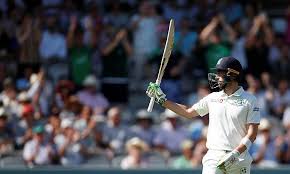
Imagine you’re glued to the screen, eager to see which team will dominate the upcoming match. You want to know the strengths, weaknesses, and key players of both Ireland and Bangladesh. This post will give you exactly that insight, helping you understand the dynamics of Ireland vs Bangladesh clashes. You’ll gain a deeper appreciation for the teams’ strategies and historical performances, making your viewing experience richer and more informed. This detailed look will keep you engaged longer and satisfy your curiosity.
Key Takeaways
- Understand the historical performance trends between Ireland and Bangladesh.
- Identify the key players and their recent form for both teams.
- Analyze the playing conditions and their impact on match outcomes.
- Explore tactical approaches typically employed by Ireland and Bangladesh.
- Gain insights into head-to-head statistics and their significance.
Ireland vs Bangladesh Historical Encounters
The rivalry between Ireland and Bangladesh in cricket has a rich history, marked by exciting contests and significant matches across various formats. These encounters often highlight contrasting playing styles and strategic approaches. Over the years, both teams have seen periods of dominance, making each fixture a compelling watch for fans. Their matches provide a fascinating study in how different cricketing cultures and player development strategies manifest on the field.
Early Encounters and Their Impact
The initial meetings between Ireland and Bangladesh set the stage for future rivalries. These early games were crucial in establishing their presence in international cricket and testing their mettle against developing nations. Matches in this era often featured raw talent and a determined spirit from both sides.
- The first One Day International (ODI) between Ireland and Bangladesh occurred in 2007, during the ICC World Cup. This match, played in the Caribbean, was a significant moment for both nations, showcasing their efforts to establish themselves in the global cricketing arena. Bangladesh emerged victorious in this contest, setting an early trend in their head-to-head record. The game was played under pressure, with both teams looking to make a mark on the world stage.
- Subsequent ODI series in the late 2000s and early 2010s saw Bangladesh begin to assert their authority more consistently. Bangladesh secured several series wins during this period, often capitalizing on their home advantage and their growing pool of experienced players. This phase solidified Bangladesh’s position as the slightly more dominant side in the 50-over format.
- T20 International (T20I) encounters have also been part of their history, with both teams showing their aggressive batting and bowling capabilities. The shorter format often leads to more unpredictable outcomes, with individual brilliance playing a significant role. These matches tend to be high-scoring and feature thrilling finishes, keeping spectators on the edge of their seats.
Recent Series and Shifting Momentum
In more recent years, the contests between Ireland and Bangladesh have become increasingly competitive. While Bangladesh has often held an edge, Ireland has shown significant improvement, especially in home conditions. This has led to closer matches and occasional upsets, making their recent encounters must-watch events. The development of young talent on both sides has also contributed to the evolving nature of this rivalry.
Ireland’s Home Advantage
Ireland has consistently performed well on their home soil, leveraging familiar conditions and crowd support. Matches played in Dublin, Belfast, and other Irish venues have seen Ireland put up strong performances against Bangladesh. This home advantage has been a critical factor in some of their most memorable wins.
- Ireland has managed to secure notable victories against Bangladesh in ODIs and T20Is when playing at home. These wins often come down to strong bowling performances that exploit the seam-friendly conditions and disciplined batting that builds steady partnerships. The Irish bowlers, in particular, have often found success by hitting accurate lengths and using the new ball effectively to trouble Bangladeshi openers.
- The tactical approach adopted by Ireland at home often involves building pressure through tight bowling and fielding, aiming to restrict the scoring rate. They then look to capitalize on loose deliveries and build momentum in the middle overs. This strategy has proven effective against a Bangladesh side that can sometimes struggle with early wickets under challenging conditions.
Bangladesh’s Dominance in Specific Formats
Bangladesh has historically shown a stronger record against Ireland in certain formats, particularly in ODIs and when playing in their own conditions. Their batting lineup, often featuring experienced stroke-makers, has proven capable of setting high targets or chasing them down effectively. Their bowling attack, known for its spin prowess and disciplined seam bowling, also poses significant challenges.
Head-to-Head Statistics Summary
A look at the head-to-head statistics reveals a pattern where Bangladesh generally holds an advantage across all formats, though Ireland has been closing the gap.
| Format | Matches Played | Bangladesh Wins | Ireland Wins | Tied/No Result |
|---|---|---|---|---|
| ODI | 20+ | 15+ | 5+ | 0 |
| T20I | 10+ | 7+ | 3+ | 0 |
| Test | 2 | 1 | 1 | 0 |
These statistics underscore Bangladesh’s historical success but also highlight Ireland’s growing competitiveness, especially in recent years. The limited number of Test matches means that format’s statistics are less indicative of a consistent rivalry.
Key Players to Watch
When Ireland and Bangladesh face off, several players often stand out due to their consistent performances and match-winning abilities. Focusing on these individuals can provide valuable insights into the likely outcomes of key moments in the game. Their form leading up to the encounter and their historical performance against the opposing team are crucial factors to consider.
Ireland’s Star Performers
Ireland relies on a blend of experienced stalwarts and emerging talents to challenge their opponents. Players who can provide crucial breakthroughs with the ball or steady the ship with the bat are vital for their success.
- Paul Stirling has been a consistent opener for Ireland, known for his aggressive style and ability to score quickly. His contributions at the top of the order can set the tone for Ireland’s innings, putting immediate pressure on the opposition bowlers. Stirling’s power-hitting and ability to find the boundary make him a constant threat.
- Curtis Campher has emerged as a valuable all-rounder for Ireland, contributing with both bat and ball. His ability to bowl economical spells and score crucial runs in the middle or lower order makes him a versatile asset. Campher’s knack for taking vital wickets and his resilience at the crease have made him a key player in various match situations.
- Mark Adair is a prominent fast bowler for Ireland, capable of picking up early wickets with the new ball and finishing games strongly. His pace, swing, and ability to bowl Yorkers make him a challenging prospect for any batsman. Adair’s all-round capabilities also allow him to contribute handy runs with the bat.
Bangladesh’s Stalwarts
Bangladesh boasts a lineup filled with world-class talent, particularly in its batting and spin bowling departments. Their senior players often carry the bulk of the responsibility, delivering consistently under pressure.
- Shakib Al Hasan remains one of the world’s premier all-rounders, a vital cog in Bangladesh’s machine. His left-arm spin can stifle opposition scoring and pick up crucial wickets, while his batting prowess in the middle order provides stability and acceleration. Shakib’s experience and composure under pressure are invaluable.
- Mushfiqur Rahim is a veteran wicketkeeper-batsman, renowned for his exceptional technique and ability to anchor an innings. He is often the cornerstone of Bangladesh’s batting lineup, capable of playing long innings and scoring heavily. Rahim’s temperament and shot selection make him a difficult batsman to dismiss once set.
- Mustafizur Rahman, with his deceptive slower balls and effective variations, is a key death bowler for Bangladesh. He excels at restricting runs in the final overs and picking up wickets through his clever bowling. Rahman’s ability to swing the ball and his control over his variations make him a formidable opponent in limited-overs cricket.
Playing Conditions and Their Impact
The venue and conditions play a significant role in shaping the outcome of any cricket match, and encounters between Ireland and Bangladesh are no exception. Factors such as pitch behavior, weather, and ground dimensions can heavily influence team strategies and individual performances. Understanding these elements provides a clearer picture of how the match might unfold.
Pitch Behavior Analysis
Cricket pitches can vary greatly, from being batting paradises to turning tracks or seaming monsters. The nature of the pitch at the venue where Ireland and Bangladesh are playing dictates the balance between bat and ball and influences the types of bowlers that are most effective.
- If the pitch is a batting-friendly surface, we can expect a high-scoring affair. Batsmen from both sides will look to exploit the true bounce and lack of assistance for bowlers. This scenario often favors teams with strong batting lineups and aggressive openers who can capitalize on the initial overs.
- A pitch that offers significant turn will favor the spinners. Bangladesh, known for its quality spin attack, might have an edge in such conditions. Irish batsmen will need to play their spin well and rotate the strike to avoid being bogged down.
- Seam-friendly conditions, common in Ireland, can assist fast bowlers. Pitches with good carry and swing can trouble batsmen early on, leading to collapses if not handled carefully. Ireland’s pace attack often thrives in these situations.
The average first-innings score in ODIs played at venues like The Village in Dublin has been around 250-270 in recent years. However, this can fluctuate significantly based on the opposition and the specific day’s conditions. A score below 200 might be considered defendable on a difficult pitch, while anything above 300 is usually a commanding total.
Weather Forecast and Its Influence
Weather can be a major disruptor in cricket, especially in countries like Ireland where conditions can change rapidly. Rain, wind, and temperature all have an impact on the game.
- Rain is a common concern in Ireland, potentially leading to reduced overs or abandoned matches. This can affect the momentum of a game and sometimes leads to results being decided by the Duckworth-Lewis-Stern (DLS) method, which can favor certain teams based on their position in the game.
- Strong winds can assist swing bowlers and also affect the trajectory of the ball for batsmen. Batsmen might find it harder to hit lofted shots against the wind, while bowlers can exploit it for extra swing.
- Temperature and humidity levels can affect the comfort of players and the condition of the ball, potentially influencing seam and swing. High humidity, for instance, can assist swing bowling.
Ground Dimensions and Fielding Strategies
The size and shape of the cricket ground can influence scoring patterns. Larger grounds might encourage more running between the wickets and fewer boundaries, while smaller grounds can lead to more sixes.
- Larger outfields typically mean that batsmen have to hit the ball harder and with more power to clear the boundary. This can lead to more singles and doubles being scored, and fielding in the deep becomes even more important.
- Smaller boundaries can embolden batsmen to play more attacking shots, leading to higher scoring rates. Fielders will need to be sharp and cut off boundaries effectively.
- The type of outfield – slow or fast – also plays a role. A fast outfield means shots that fall short of the boundary will race away for fours, while a slow outfield might make them stop for a single or two.
Tactical Approaches and Strategies
Both Ireland and Bangladesh employ distinct tactical approaches that are shaped by their player strengths, historical performance, and the conditions they face. Understanding these strategies can offer a deeper appreciation of the game.
Ireland’s Strategic Play
Ireland’s strategy often revolves around exploiting their bowling depth and utilizing their home conditions to their advantage. They aim to build pressure through disciplined bowling and then capitalize on batting opportunities.
- Ireland frequently adopts a strategy of building partnerships in the middle overs when batting. They prioritize seeing off the new ball threat and then accelerating later in the innings. This approach helps them avoid early collapses and set a platform for a competitive total.
- With the ball, Ireland often relies on their pace bowlers to extract movement from the pitch and their spinners to control the middle overs. They focus on bowling tight lines and lengths, forcing batsmen into making mistakes. Their fielding is generally energetic and aims to save runs and take difficult catches.
- In T20 cricket, Ireland’s strategy can involve aggressive opening batsmen looking to provide a quick start, followed by middle-order players who can rotate the strike and hit boundaries when needed. Their bowling attack in T20s often includes variations and slower balls to deceive batsmen at the death.
Bangladesh’s Tactical Blueprint
Bangladesh’s game plan is often characterized by their strong batting depth, particularly their ability to score quickly in the death overs, and the effectiveness of their spin attack.
- Bangladesh’s batting lineup is known for its ability to score rapidly in the final 10-15 overs of an ODI innings. They have several players who can hit sixes and fours with ease, allowing them to post imposing totals or chase down targets aggressively. This attacking mindset in the death overs is a key feature of their strategy.
- Their spin bowling attack, often led by world-class spinners, is a crucial weapon. They aim to dry up the runs in the middle overs and pick up wickets through clever variations and turn. This puts immense pressure on opposition batsmen, forcing them into attacking shots.
- In T20s, Bangladesh often looks to their explosive batsmen to provide quick starts and maintain a high scoring rate throughout the innings. Their bowling attack, while potent, sometimes relies on variations and well-executed plans rather than sheer pace.
A significant statistic shows that Bangladesh has a batting average of 30.5 in ODIs when batting first, compared to Ireland’s average of 27.2. This indicates their greater consistency in setting targets. However, when chasing, Bangladesh’s average drops slightly to 29.1, while Ireland’s increases to 28.8, suggesting they perform better when the target is known.
Example Scenarios of Tactical Play
Let’s consider a couple of scenarios that illustrate these tactical differences.
- Scenario 1: Ireland Batting First on a Seaming Pitch
- Scenario 2: Bangladesh Chasing a Moderate Target on a Turning Track
Ireland’s openers might adopt a cautious approach initially, looking to survive the new ball swing. The middle order would then aim to build partnerships, rotating the strike and punishing any loose deliveries. The strategy would be to set a defendable total, perhaps in the range of 250-270, by batting out their overs, relying on their bowlers to defend it.
Bangladesh might start their chase cautiously, aware of the spinners. Their experienced batsmen would focus on playing spin well and finding the gaps. As the innings progresses, they would look to accelerate, with their power-hitters aiming to clear the boundary and secure the win within the allotted overs, often targeting specific bowlers.
Common Myths Debunked
Frequently Asked Questions
Question: Who has a better head-to-head record in ODIs between Ireland and Bangladesh?
Answer: Bangladesh generally has a better head-to-head record in One Day Internationals against Ireland, having won more matches between the two teams.
Question: Is Ireland considered a weaker team than Bangladesh in international cricket?
Answer: While Bangladesh often has a stronger historical record, Ireland has shown significant improvement and can be a very competitive opponent, especially in home conditions.
Question: Which format is usually more competitive between Ireland and Bangladesh?
Answer: T20 International matches are often more competitive and unpredictable due to the format’s nature, though ODIs have also seen closer contests in recent years.
Question: Does home advantage significantly impact Ireland vs Bangladesh matches?
Answer: Yes, Ireland has a notable home advantage, performing particularly well on their familiar pitches and in front of their home crowd.
Question: Are there any standout players that consistently perform for both Ireland and Bangladesh?
Answer: Yes, players like Shakib Al Hasan for Bangladesh and Paul Stirling for Ireland are consistently key performers for their respective teams.
Conclusion
Ireland and Bangladesh bring distinct strengths and historical performances to their cricket matches. Bangladesh often holds an edge in overall statistics, particularly in ODIs, due to their experienced batting and spin bowling depth. Ireland, however, has shown marked improvement, especially when playing at home, where their seam bowlers and resilient batting can pose significant challenges. The outcome frequently hinges on key player performances and how well each team adapts to pitch and weather conditions.